

News
Functionality of the past influences contemporary architect

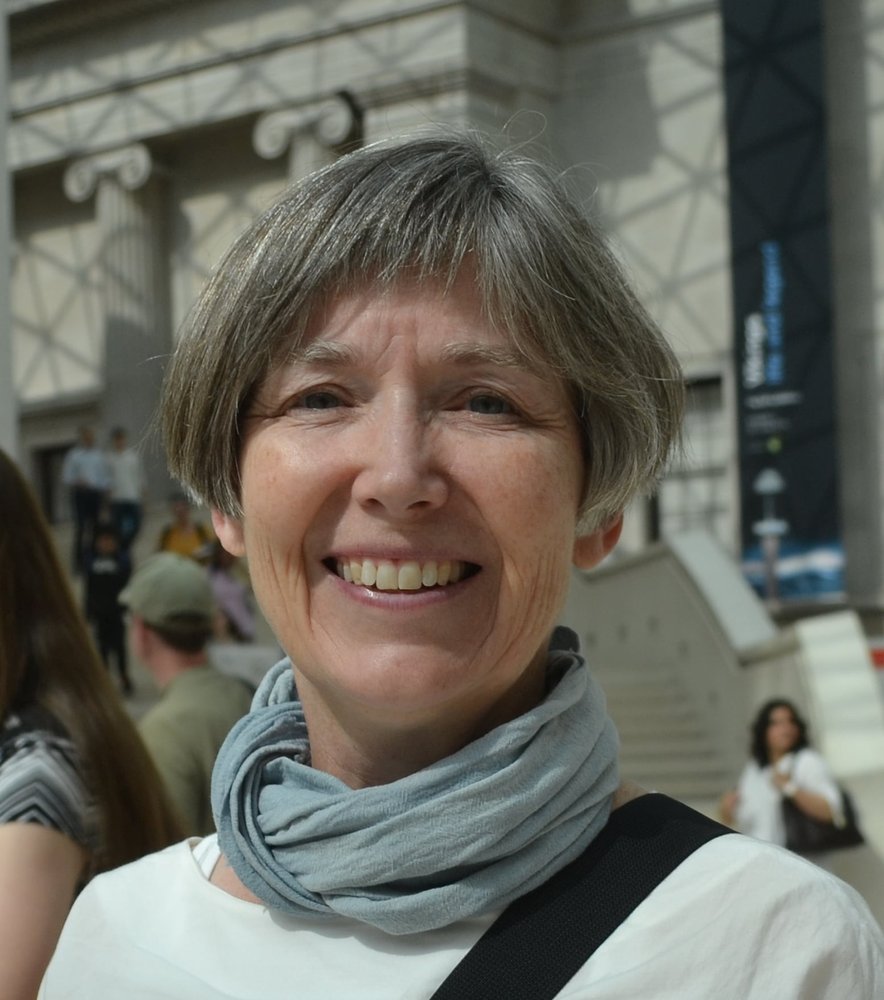
When Hurricane Hugo hit in 1989, Whitney Powers (right), founder and President of Studio A, was a young architect teaching in a Charleston-based program offered by Clemson University. A silver lining in all the devastation caused by the storm, was that it resulted in abundant opportunities to repair, restore and revive the city.
Whitney was commissioned to design a building on a site, where the house that occupied it for decades was blown off its foundations during the storm. Following completion of this Sullivan’s Island home, it was published in The NY Times, and in professional journals in Germany and Japan. Whitney’s career was launched. She was on her way to becoming a premier architect in this historic city by engendering her work with appropriate scale and breathing into it a freshness that can be hard to put your finger on.
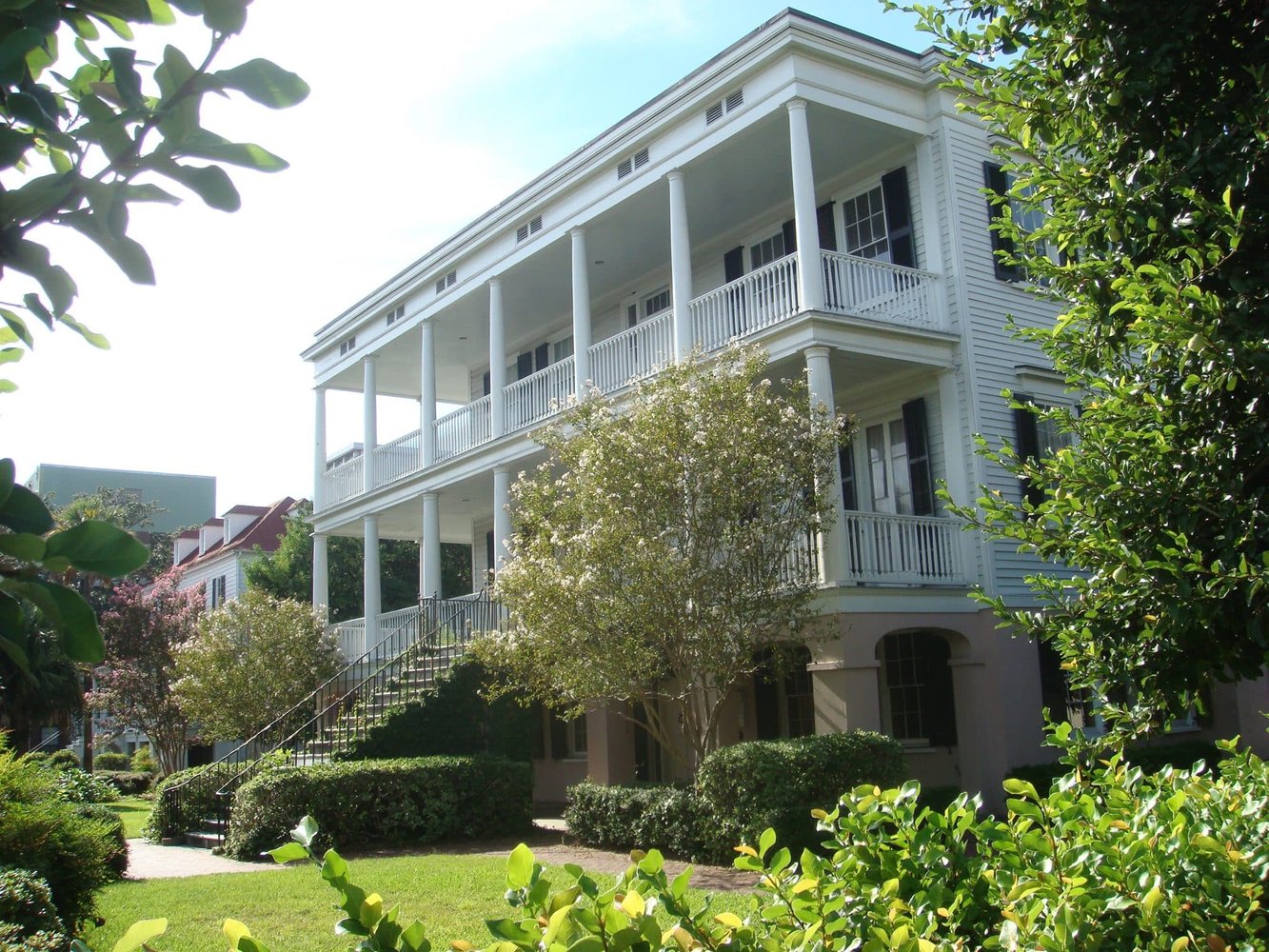
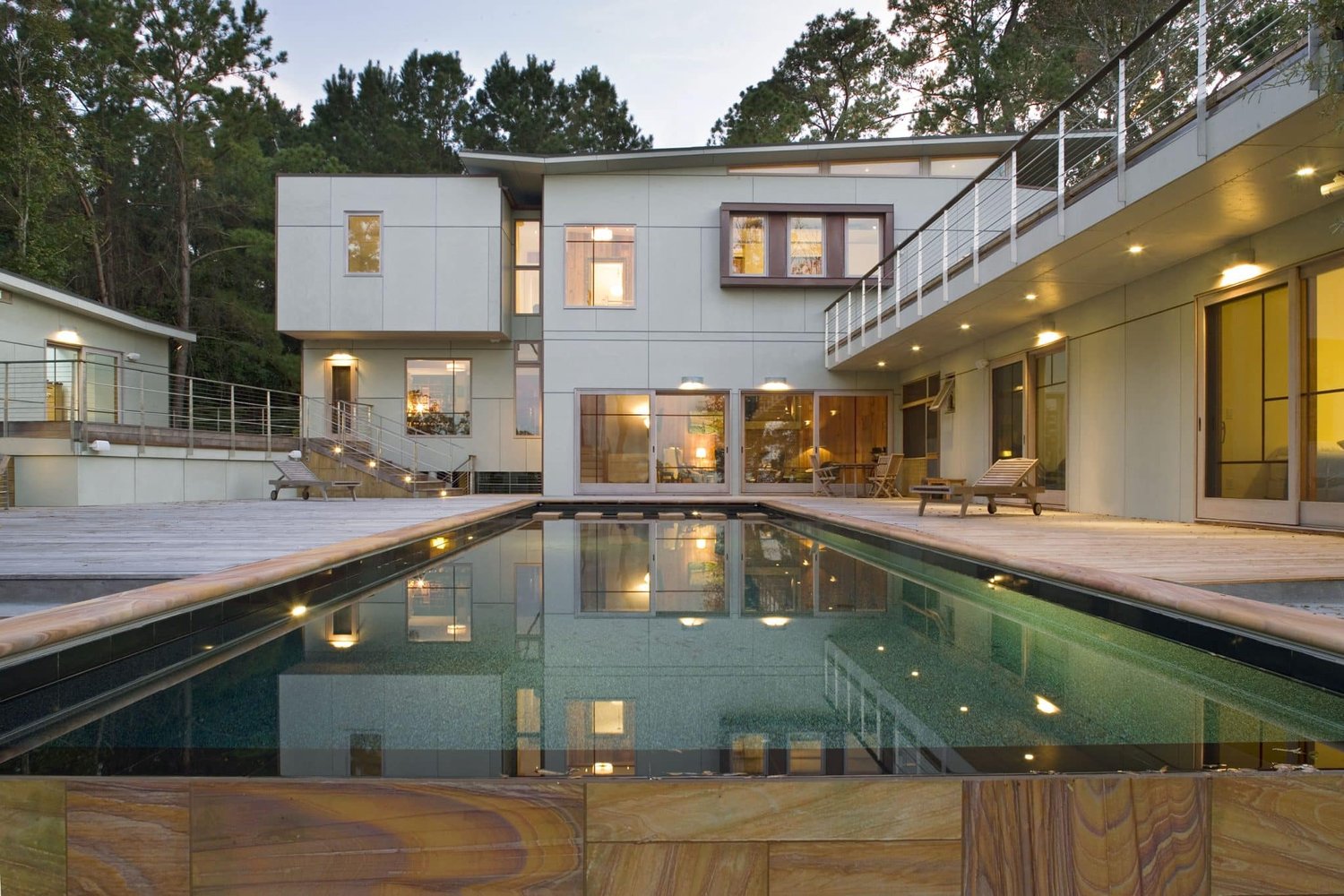
According to Whitney, the character of Charleston’s buildings is “feminine” in that they are not individual showpieces, but gracefully complement the surroundings creating a perception of continuity and community more significant than any single building or part. In contrast, Whitney believes that developers (and their kowtowing architects), often from other cities, have attempted to impose “masculine” monumentality with their new buildings, typically large, unwieldy blocks characterized by incongruous style or trendy elements that simply don’t work aesthetically.
Whitney has built her firm taking on a variety of commissions that range from restorations of historic buildings to new designs for commercial properties and private residences. Her architecture always reflects her interest and admiration for the functionality and pragmatism of Charleston’s historic buildings. Applying a historic pattern drawn from the necessity of separating the kitchen and stables from primary buildings as well as concepts of small town planning, her work has consistently echoed the complexities inherent in grouping forms, reflecting both history and a richer present as seen in her recent River Road House or The Iris apartment building on Line Street.
While she is not originally from Charleston, (her family hails from Columbus, Mississippi), Whitney has found Charleston’s scale similar to many places she initially explored while a student at Mississippi State’s School of Architecture. After completing an MArch at Columbia University’s esteemed Graduate School of Architecture, she moved to Charleston for the Clemson job. “I met my husband here, had my daughter here (now in her 20s and living in NYC’s Chinatown), and developed my career in Charleston.”
Understandably as an architect (as well as CEO/co-founder of Edwink, LLC, with its initial offering IfYouWereMayor.com), Whitney has strong views about the current Union Pier development project and Charleston’s future. In a recent commentary published in the Post and Courier, she wrote,”…we tend to overlook how truly significant it is to contemplate the future for the last 30 acres of undeveloped waterfront on the peninsula. This really is the final opportunity for Charleston residents to gain physical access to the historic waterfront without obtaining membership in a private club or residency in an adjacent building or negotiating through a boat ramp or marina or getting a seat in a waterfront restaurant. It could even be argued that focusing on this public space could better inform the future building fabric than attempts to codify the architecture.”

























Miracle Holiday Pop-Up Bar Returns to Handcraft Kitchen & Cocktails This Month

Big Brothers Big Sisters hosts BIG Lowcountry Boil

Comedy Legend Katt Williams Returns to the North Charleston Coliseum in March

Parade, Vendor Applications Open for Upcoming ‘Holiday Magic’ Events

“Know Whatcha’ Know” Release Party & Fashion Show Set for Saturday
